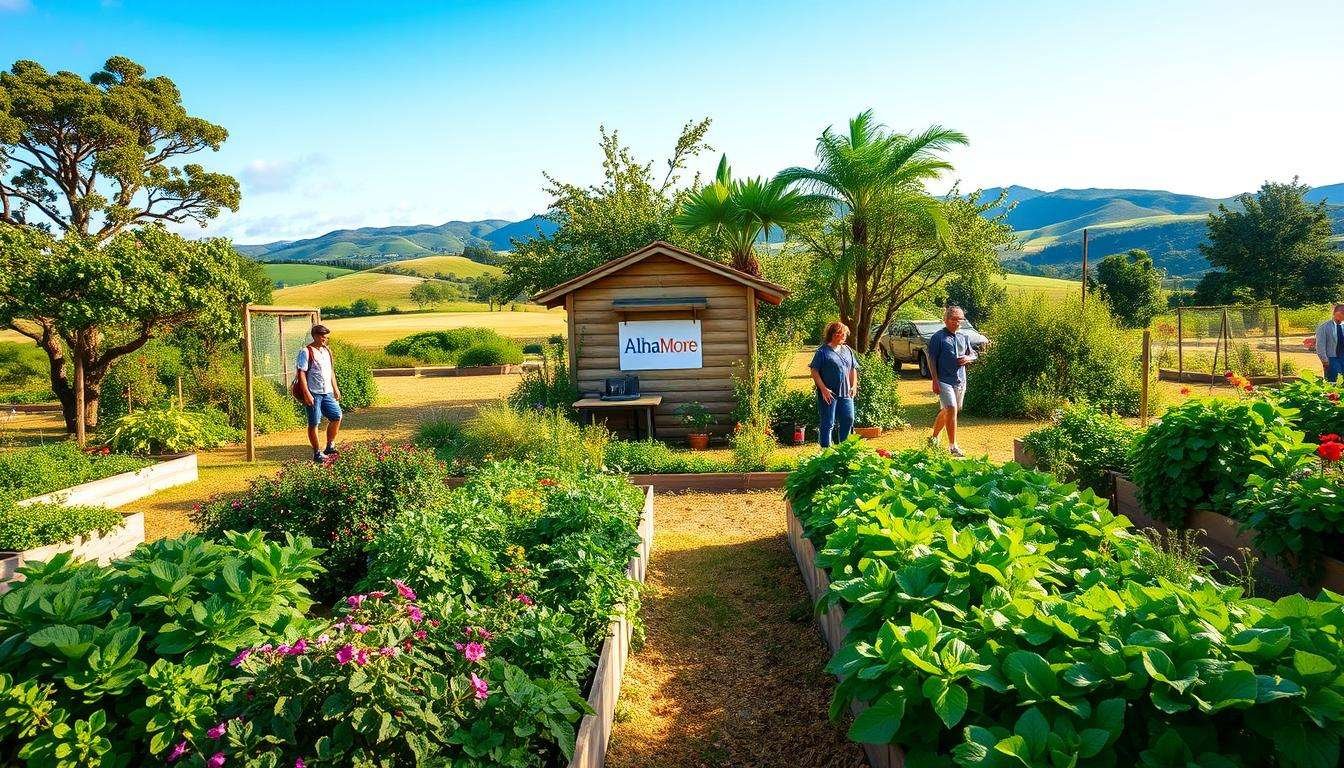
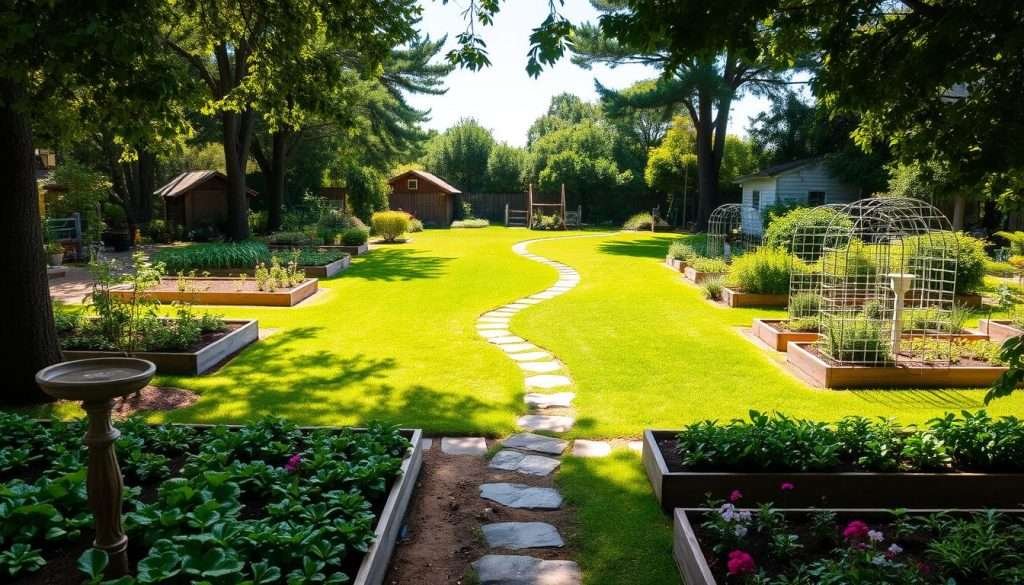
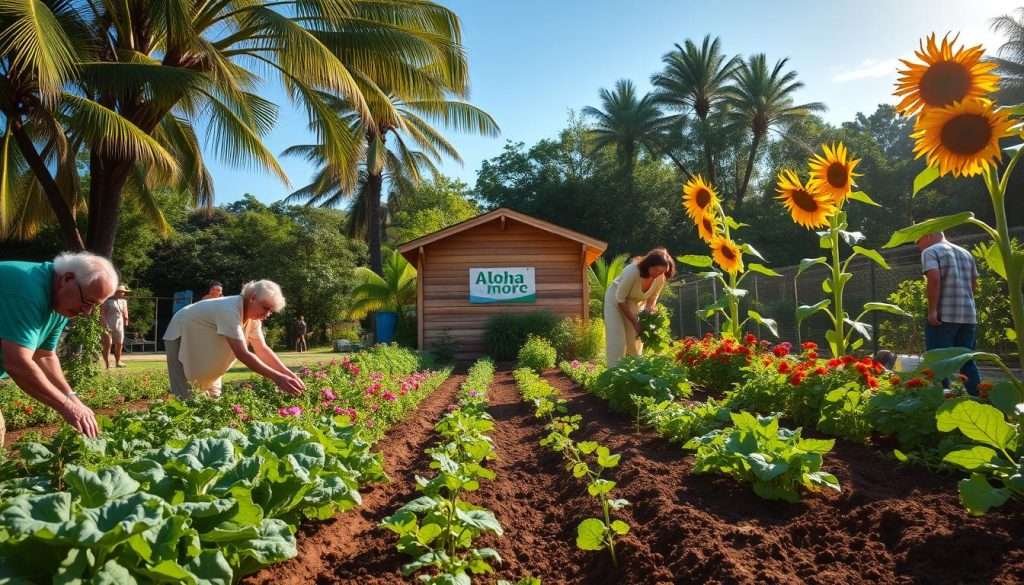
Imagine this: a vibrant green space in the heart of your city, where neighbors become friends and fresh produce grows just steps from your door. Welcome to the world of community gardens! 🌱 These gardens are more than just plots of land—they’re hubs of creativity, collaboration, and care. At Aloha More, we believe in the power of coming together, which is why our motto, “Aloha More,” inspires us to nurture both our gardens and our communities with love and enthusiasm.
So, why should you join the movement? Community gardens don’t just beautify neighborhoods; they also provide fresh produce, combat food deserts, and bring people together. Plus, they can even help reduce crime rates by creating safe, social spaces. Whether you’re a seasoned gardener or a curious newcomer, there’s a place for you in this growing movement.
Our guide is packed with real data and expert tips to help you get started. From finding the perfect spot to building a strong team, we’ve got you covered. So, let’s dive in and see how you can make your community garden dreams a reality!
Key Takeaways
- Community gardens offer fresh produce and green spaces, transforming urban areas.
- These gardens reduce crime rates and improve air quality.
- They require a dedicated team of volunteers for success.
- Partnerships with local organizations can secure resources.
- Accessibility features ensure inclusivity for all participants.
Understanding the Community Garden Concept
Community gardens are shared green spaces where people come together to grow fruits, vegetables, and flowers. These gardens are more than just plots of land—they’re vibrant hubs that bring neighborhoods to life. They offer a space for neighbors to connect, learn, and grow together, fostering a sense of belonging and pride in the community.
What Defines a Community Garden?
A community garden is a collaborative effort where individuals share resources and responsibilities. Unlike private gardens, these spaces are open to everyone, promoting inclusivity and social interaction. They often feature individual plots for personal growing and shared areas for communal use, creating a mix of private and public spaces.
Benefits for the Neighborhood and Beyond
These gardens do more than just beautify neighborhoods. They provide fresh produce, combat food deserts, and offer educational opportunities for children. Studies show that households involved in community gardens have improved access to fresh fruits and vegetables, leading to healthier diets. Plus, they can even help reduce crime rates by creating safe, social spaces.
| Benefit | Impact |
|---|---|
| Fresh Produce | Combats food deserts and improves nutrition |
| Social Hub | Fosters neighborly connections and community unity |
| Education | Teaches children about biology and nutrition |
| Crime Reduction | Creates safe spaces, reducing local crime |
How to create a community garden
Ready to transform an empty lot into a thriving green space? Let’s break it down into simple, actionable steps that anyone can follow. Whether you’re a seasoned gardener or just starting out, this guide will walk you through the process with ease.
Planning Your Garden Project
Starting a community garden begins with a clear plan. Here’s your blueprint to success:
- Brainstorm and Vision: Gather your team and discuss what you want to achieve. Consider the size, location, and purpose of your garden.
- Form a Planning Committee: Assign roles like project manager, treasurer, and communications lead to ensure everything runs smoothly.
- Create a Timeline: Break down the project into manageable steps with realistic deadlines.
Step-by-Step Guidelines for Beginners
Turning your vision into reality involves several key steps:
- Find the Perfect Spot: Look for accessible, sunny areas with good soil. Even small spaces like rooftops or parking lots can work.
- Gather Materials: Start small. Even a single plant in a pot can kickstart your project.
- Engage the Community: Host events to attract volunteers and raise awareness. This fosters a sense of ownership and fun.
“A community garden is more than just a plot of land—it’s a space where people grow together.” – Urban Gardening Initiative
Remember, every great garden starts with a plan. Stay organized, stay inspired, and watch your community flourish!
Selecting the Ideal Site and Water Sources
Scouting the perfect spot for your green oasis is where the magic begins! 🌟 You want a site that’s sunlit, has quality soil, and access to water. Let’s break it down step by step.
Evaluating Land, Sunlight, and Soil Conditions
First, find a spot that gets at least 6 hours of sunlight a day—this is crucial for healthy plant growth. Next, check the soil. Ideal soil should be loamy and well-drained. If it’s not, don’t worry! You can amend it with compost or use raised beds. Measure the land to ensure it’s the right size for your needs, whether it’s a small rooftop or a larger area.
Checking for Accessible Water and Infrastructure
Water is life for your plants! Ensure there’s a reliable water source nearby. Gardens within 500 feet of a water source have a 50% higher success rate. Also, check for any debris and ensure the area is clear and accessible for everyone. Good infrastructure support is a bonus!
Remember, the site should be easily accessible, especially for those with disabilities, and close to transportation links. Clear any debris and ensure the area is ready for planting. With these steps, you’ll have a site that’s perfect for your community garden!
Building Your Garden with Community Engagement
Let’s talk about the heart and soul of every thriving garden—community spirit! 🌱 It’s all about bringing people together, sparking excitement, and creating a space where everyone feels involved. Think of it as a party for your garden, where every guest brings their unique vibe and skills to the table.
Forming an Inclusive Gardening Committee
The first step? Gather a squad that reflects the diversity of your neighborhood. You want a mix of seasoned gardeners and fresh faces, all united by a shared vision. This isn’t just about gardening—it’s about building a community that thrives together. Studies show that gardens with active committees see a 30% boost in engagement. So, how do you make it happen?
- Host a kickoff meeting where everyone can share their ideas and passions. Make it fun with snacks and a casual vibe!
- Assign roles based on people’s strengths—whether it’s planning, designing, or even social media management.
Delegating Roles and Encouraging Participation
Every person brings something unique to the table, and that’s what makes a garden truly special. Whether you’re a green thumb or a social media guru, there’s a spot for you. Delegate tasks that play to people’s strengths and watch your garden flourish. For example, let your tech-savvy neighbor handle the Instagram account while your plant-whispering friend leads the gardening workshops.
But here’s the magic: when people feel involved, they’re more likely to stick around. In fact, gardens with clear roles see a 25% higher retention rate. So, don’t be afraid to ask for help and celebrate every contribution, no matter how small.
| Benefit | Impact |
|---|---|
| Shared Knowledge | Everyone learns and grows together |
| Creative Problem Solving | Unique solutions from diverse perspectives |
| Mutual Support | A stronger, more connected community |
So, how do you keep the energy high? Use social media to share updates, host regular meetups, and make sure everyone feels valued. The result? A garden that’s not just a green space, but a vibrant hub of connection and growth.
Identifying and Securing Sponsorship
Every successful community garden needs a little help from its friends—and that’s where sponsorship comes in! 🌱 Whether it’s funding, materials, or expertise, securing the right support can make all the difference. Let’s explore how to find and secure the resources you need to bring your garden to life.
Exploring Funding Options and Resources
First things first—where can you find the funds to fuel your garden? Here are some practical methods:
- Grants and Sponsorships: Look for local and national grants that support urban gardening projects. Many organizations offer funding specifically for community initiatives.
- Crowdfunding: Platforms like Kickstarter or GoFundMe can help you raise money from the community. Share your story and inspire others to support your vision!
- Corporate Partnerships: Reach out to local businesses. They might be willing to donate materials or funds in exchange for some good PR.
Remember, it’s all about building relationships. Start small and grow your support network over time.
Partnering with Local Organizations
Local businesses and organizations can be your garden’s best friends. Here’s how to approach them:
- Research Local Businesses: Look for companies that value sustainability and community involvement.
- Prepare a Proposal: Show them how their support will benefit both your garden and their brand.
When approaching sponsors, emphasize the shared benefits—like increased visibility for them and a greener, healthier neighborhood for everyone.
Spotlight on Aloha More and Community Spirit
Aloha More isn’t just a clothing brand—it’s a movement. Our motto, “Aloha More”, is all about nurturing love, care, and community spirit. We believe in supporting initiatives that bring people together and make the world a better place.
“Aloha More is more than just clothing—it’s a way of life that inspires us to care more, grow more, and share more.”
By partnering with brands like Aloha More, you can secure the resources you need while staying true to your garden’s mission. It’s a win-win!
| Funding Option | Source | Tips |
|---|---|---|
| Grants | Local and national organizations | Apply early and tailor your application |
| Crowdfunding | Online platforms | Share your story widely |
| Corporate Partnerships | Local businesses | Highlight mutual benefits |
With the right mix of creativity and persistence, you can secure the sponsorship your garden needs to thrive. Remember, every dollar and every donation brings you closer to creating a space where your community can grow together!
Designing the Garden Layout and Infrastructure
Designing your garden’s layout is where creativity meets practicality! 🌱 It’s all about crafting a space that’s as functional as it is visually stunning. Think of it as your garden’s blueprint—a plan that brings your vision to life while keeping everything organized and efficient.
Plot Design, Irrigation, and Pathways
Start by mapping out your plots. Keep it flexible! Individual plots should range from 100 to 500 square feet, giving everyone enough space to grow their favorites. Pathways should be at least 3 feet wide for easy access, especially for wheelchairs. And don’t forget proper irrigation—install water systems that make hydration a breeze for all plants.
Incorporating Functional and Aesthetic Elements
Add some personality with recycled décor or urban art to give your garden that extra flair. Use raised beds if the soil isn’t perfect, and mix in some evergreen plants for year-round color. Wide pathways and accessible seating areas create inviting spaces where people can linger and connect.
Planning for Long-Term Sustainability
Think ahead! Involve your community in the planning process to ensure everyone’s needs are met. Regular feedback sessions and educational workshops on topics like organic gardening can keep your garden thriving for years to come. Remember, a well-planned garden isn’t just a space—it’s a living, breathing part of your community.
Setting Garden Rules and Agreements
Setting the rules for your garden is like laying the groundwork for a thriving community! 🌱 Clear guidelines help everyone feel safe, respected, and on the same page. Think of it as the foundation that keeps your garden growing strong and your community vibe positive.
Developing Watering, Weeding, and Safety Protocols
Let’s break down the essentials:
- Watering Schedules: Assign specific times to avoid overwatering. Remember, most plants need about 1-2 inches of water weekly.
- Weeding Rituals: Schedule regular clean-up days. A weed-free garden is a happy garden! 🌼
- Safety First: Ensure all tools are stored safely and that pathways are clear to prevent tripping hazards.
Establishing Liability and Hold Harmless Waivers
Protecting everyone is key. Here’s how to do it right:
- Liability Waivers: Have participants sign a waiver to cover accidental injuries. This protects both them and the landowner.
- Hold Harmless Agreements: These ensure that if something goes wrong, the landowner isn’t held responsible.
| Agreement Type | Details |
|---|---|
| Liability Waiver | Protects participants and landowners in case of accidents. |
| Hold Harmless Agreement | Ensures the landowner isn’t liable for incidents. |
| Lease Agreement | Should be at least 3 years to ensure garden stability. |
Remember, involving the community in creating these rules boosts compliance. People are more likely to follow rules they helped create! 🌟
- Keep it simple and fair.
- Review and update rules annually.
- Make sure everyone has a copy and understands their role.
By setting clear rules and agreements, you create a space where everyone can enjoy gardening without worries. Happy planting! 🌱
Maintaining and Growing Your Community Garden
Keeping your community garden thriving is all about consistent love and care! 🌱 It’s like giving your garden a daily hug—ensuring it stays healthy and vibrant all year round.
Routine Care and Seasonal Planting
Start your day with a quick check-up. Watering is key—most plants need about 1-2 inches of water weekly. Don’t forget to compost; it’s like a vitamin boost for your soil! 🌿
Seasonal planting keeps things fresh. Rotate crops to keep the soil rich and prevent pests. For example, plant leafy greens in spring and hearty veggies in fall. This variety keeps your garden flourishing every season.
Hosting Community Events and Workshops
Turn your garden into a party spot! Host workshops on topics like organic gardening or composting. Potluck dinners and seasonal festivals can bring everyone together, making your garden the heart of the community.
These events aren’t just fun; they also educate and inspire. They help reduce stress and strengthen neighborhood bonds, making your garden a true social hub.
With a little time and love, your garden becomes more than just a green space—it’s a thriving part of your community where everyone can grow and connect.
Conclusion
Ready to grow more than just plants? 🌱 Every seed you plant and every plot you tend brings your community closer to a healthier, greener future. At Aloha More, we believe in nurturing more than just gardens—we’re about growing connections, health, and pride in our neighborhoods.
- 🌿 Transformative Benefits: Community gardens boost access to fresh food by up to 40%, improve mental health through reduced stress, and even enhance property value.
- 🌳 Sustainable Living: By reducing reliance on industrial agriculture and promoting composting, these gardens help our planet thrive.
- 🤝 Unity in Action: Gardens become social hubs where people connect, share knowledge, and build stronger communities.
So, what are you waiting for? Grab your neighbors, pick a spot, and get planting! 🌱 Every small effort leads to big changes. Share your journey, join local events, and let the Aloha More spirit shine through your garden. Together, we can grow a brighter, healthier future—one seed at a time!